Optionally Piloted and Uncrewed: Firebird and Fire Scout
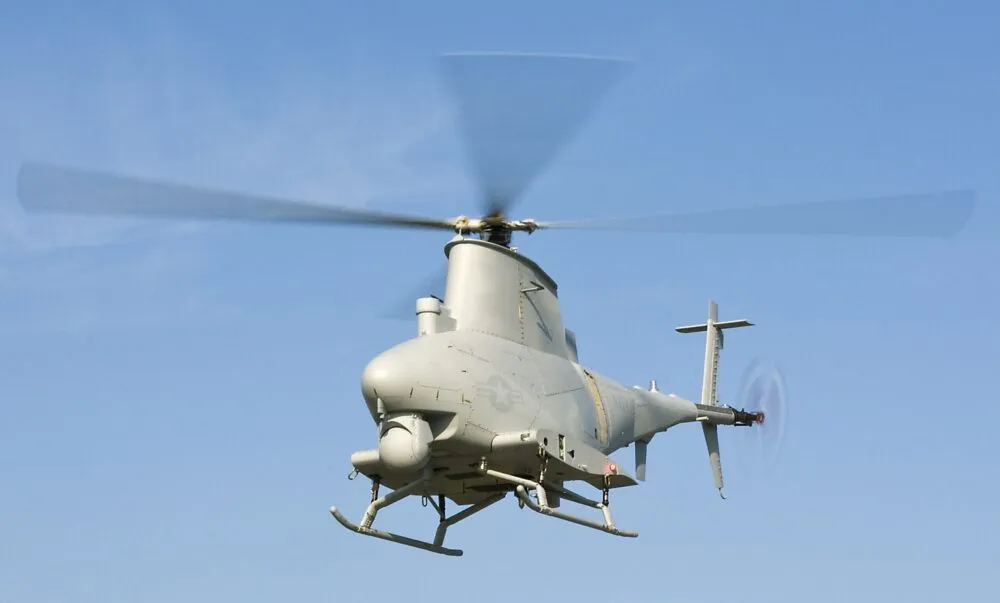
Northrop Grumman’s Firebird and Fire Scout platforms represent distinct approaches to operational flexibility. The Firebird optionally-piloted fixed-wing system flies crewed for transit and low-threat sorties, and uncrewed for high-persistence missions, all from a common airframe and ground segment. The MQ-8 Fire Scout uncrewed helicopter operates from naval vessels, providing shipboard reconnaissance and surveillance. Together, these platforms exemplify the evolution toward mission-adaptive aircraft that seamlessly transition between crewed, uncrewed, and optionally-piloted modes.
AIMS-ISR Across Crewed and Uncrewed Operations
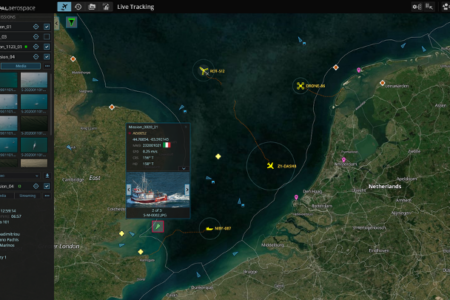
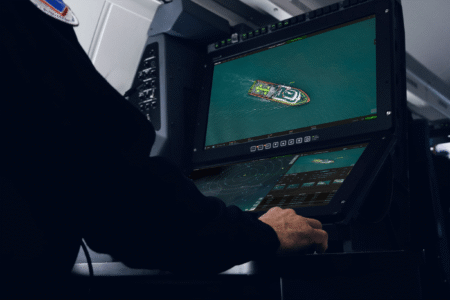
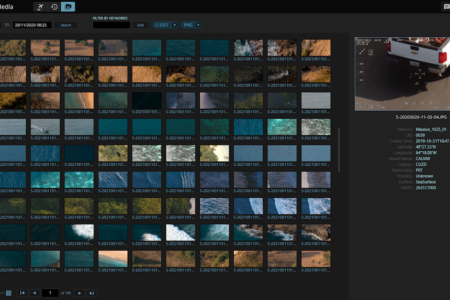
CarteNav has integrated AIMS-ISR in test-and-evaluation contexts with both Firebird and Fire Scout platforms, demonstrating the system’s platform-agnostic mission-management architecture. Whether a pilot occupies the Firebird or the airframe operates uncrewed, AIMS-ISR maintains a single georeferenced operational picture for payload operators and command. The same recording architecture, telemetry fusion, and AIMS-C4 distribution apply regardless of flight mode. This consistency eliminates duplication in training, procedures, and command-center interfaces, enabling programs to transition seamlessly between crewed and uncrewed operations as mission and threat conditions evolve.
Mission profiles
- Optionally piloted ISR: Crewed and uncrewed sorties from a single airframe and ground segment, with consistent mission management and operational picture.
- Uncrewed test and evaluation: Autonomous ISR and tactical experimentation, with evidence-grade recording and command-center integration.