Vertical Launch, Tactical Reach
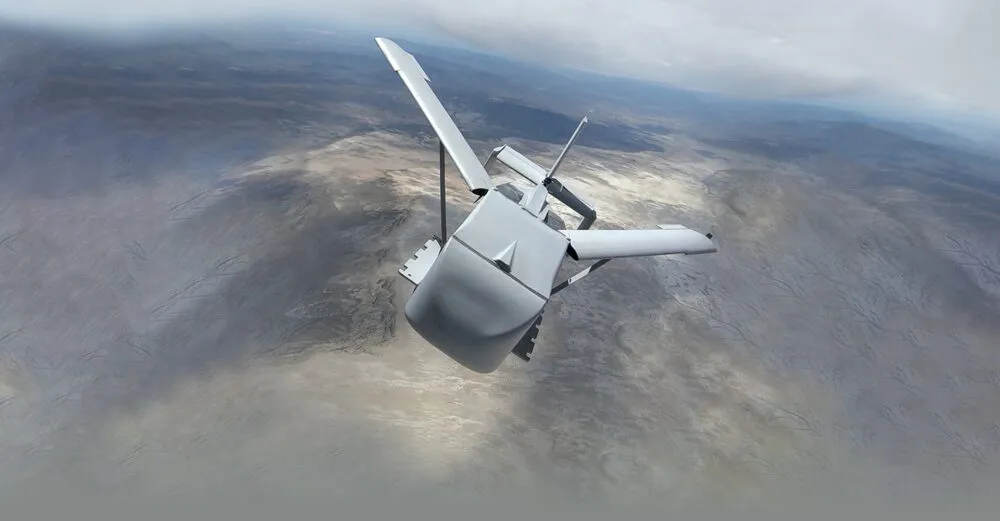
The DZYNE ROTORwing family operates as a bridge between the logistical simplicity of rotary-wing platforms and the cruise efficiency of fixed-wing airframes. The platform transitions from vertical launch and recovery to sustained wing-borne flight, eliminating dependency on runway infrastructure while maintaining the endurance and range required for tactical ISR operations. This hybrid architecture supports rapid deployment into austere environments without compromising sensor persistence or coverage radius.
As a tactical ISR platform, the ROTORwing addresses mission scenarios where airfield access is limited, unprepared surfaces are the operational norm, or rapid repositioning is essential. The combination of vertical agility and cruise efficiency makes the airframe particularly effective for reconnaissance, surveillance, and target acquisition in terrain-constrained or time-critical operations.
AIMS-ISR Ground-Station Integration
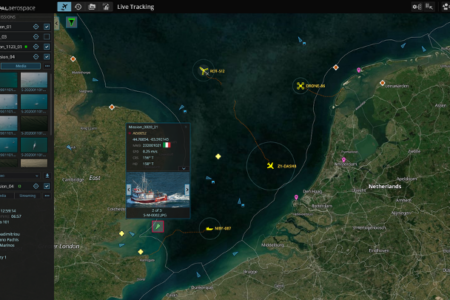
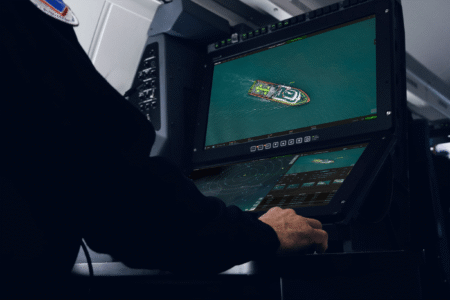
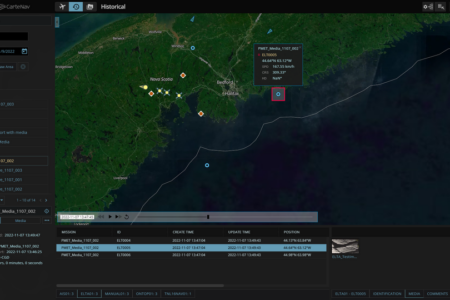
AIMS-ISR operates at the ground control and payload operator station, fusing video and track data from the ROTORwing sensor payload into a single, georeferenced common operating picture. The system records full mission evidence, enabling after-action analysis and supporting downstream intelligence products. All sensor data flows through a unified interface, allowing operators to correlate EO/IR feeds with platform position and automatically ingest track updates from mission planning and external data sources.
AIMS-C4, the companion system, distributes the COP to higher command and supporting elements in real time. Tactical teams receive persistent, georeferenced intelligence from the ROTORwing payload without requiring specialized ground-station expertise at subordinate echelons, simplifying force structure and reducing training overhead.
Mission Profiles
- Tactical UAS ISR: Platform independence and cruise efficiency enable operations across distributed AOs with minimal forward logistics.
- Surveillance Demonstration and Evaluation: Rapid deployment and evidence-grade recording support operational assessments and customer evaluations.